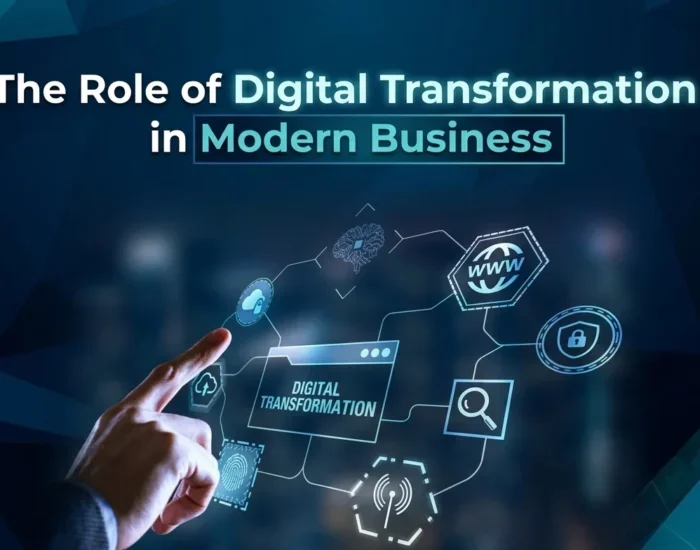


Web development is one of the most important and rapidly growing fields in the technology industry. It involves the creation, design, maintenance, and improvement of websites and web applications that people use every day. From simple personal blogs to complex e-commerce platforms and social media networks, web development plays a crucial role in connecting businesses, organizations, and individuals across the globe.
In today’s digital world, having an online presence is essential for success. Businesses rely on websites to showcase their products and services, communicate with customers, and increase sales. As internet usage continues to grow, the demand for skilled web developers is also increasing. Web development offers excellent career opportunities, flexibility, and the chance to work on innovative projects.
What is Web Development?
Web development refers to the process of creating websites and web applications that run on the internet. It includes everything from designing a website’s appearance to developing its functionality and ensuring it performs efficiently.
Web development is generally divided into three main categories:
1. Front-End Development
Front-end development focuses on the visual elements of a website that users interact with directly. Front-end developers create layouts, navigation menus, buttons, forms, and other user interface components.
The primary technologies used in front-end development include:
- HTML (Hyper Text Markup Language)
- CSS (Cascading Style Sheets)
- JavaScript
Modern front-end frameworks such as React, Angular, and Vue.js help developers build interactive and dynamic web applications more efficiently.
2. Back-End Development
Back-end development involves the server-side functionality of a website. It manages databases, user authentication, business logic, and communication between the server and the front end.
Popular back-end programming languages include:
- Python
- JavaScript (Node.js)
- PHP
- Java
- C#
Frameworks such as Django, Flask, Express.js, and Spring Boot simplify back-end development by providing ready-made tools and structures.
3. Full-Stack Development
A full-stack developer has expertise in both front-end and back-end development. These professionals can handle complete web projects from designing user interfaces to managing databases and server operations.
Importance of Web Development
Web development has become a vital component of modern business operations. Companies use websites to establish credibility, reach global audiences, and generate revenue.
Some key benefits of web development include:
- Improved online visibility
- Better customer engagement
- Increased sales opportunities
- Enhanced brand awareness
- Efficient communication with customers
- Access to global markets
Without effective web development, businesses may struggle to compete in today’s digital economy.
Essential Technologies in Web Development
HTML
HTML is the foundation of every webpage. It structures content using elements such as headings, paragraphs, images, tables, and forms.
CSS
CSS controls the visual appearance of websites. It manages colors, layouts, fonts, animations, and responsive designs that adapt to different screen sizes.
JavaScript
JavaScript adds interactivity to websites. Features such as image sliders, form validation, dynamic content updates, and interactive menus are powered by JavaScript.
Databases
Databases store and manage website data. Popular database systems include:
- MySQL
- PostgreSQL
- MongoDB
- SQLite
These databases help websites handle user information, product listings, and transaction records.
Version Control Systems
Git is the most widely used version control system. It allows developers to track changes, collaborate with team members, and manage project versions efficiently.
Web Development Process
Creating a successful website involves several important stages.
Planning
The planning phase defines project goals, target audience, features, and technical requirements.
Design
Designers create wireframes and prototypes that determine the website’s appearance and user experience.
Development
Developers write code to build the front-end and back-end components of the website.
Testing
Testing ensures that the website functions correctly across different devices, browsers, and operating systems.
Deployment
After successful testing, the website is launched and made accessible to users online.
Maintenance
Regular updates, bug fixes, security improvements, and performance optimizations keep the website functioning effectively.
Modern Trends in Web Development
The web development industry continuously evolves with new technologies and practices.
Responsive Design
Responsive design ensures websites work seamlessly on desktops, tablets, and smartphones.
Progressive Web Apps (PWAs)
PWAs combine the features of websites and mobile applications, offering faster performance and offline functionality.
Artificial Intelligence Integration
AI-powered chatbots, recommendation systems, and automation tools enhance user experiences and business efficiency.
Cloud Computing
Cloud platforms provide scalable hosting, storage, and computing resources for modern web applications.
API-Driven Development
APIs enable different applications and services to communicate, allowing developers to create more flexible and powerful solutions.
Challenges in Web Development
Despite its advantages, web development presents several challenges.
Security Threats
Developers must protect websites from hacking, data breaches, malware, and cyberattacks.
Performance Optimization
Slow-loading websites can negatively impact user experience and search engine rankings.
Browser Compatibility
Different browsers may display websites differently, requiring thorough testing and adjustments.
Rapid Technological Changes
Developers must continuously learn new tools, frameworks, and programming languages to remain competitive.
Career Opportunities in Web Development
Web development offers numerous career paths, including:
- Front-End Developer
- Back-End Developer
- Full-Stack Developer
- UI/UX Designer
- Web Application Developer
- DevOps Engineer
- Software Engineer
- Technical Consultant
Many organizations seek qualified web developers, making it a highly rewarding and stable profession.
Future of Web Development
The future of web development looks promising. Technologies such as artificial intelligence, machine learning, blockchain, augmented reality, and cloud computing are transforming how websites and web applications are built.
As businesses continue to digitize their operations, web developers will remain essential in creating innovative online solutions. Automation tools may simplify certain tasks, but skilled developers will still be needed to design, develop, and maintain complex digital systems.
Web development is a dynamic and essential field that powers the modern internet. It combines creativity, problem-solving, and technical expertise to create websites and applications that serve millions of users worldwide. From front-end design to back-end functionality, web development encompasses a wide range of skills and technologies.
As digital transformation continues to reshape industries, web development will remain a valuable profession with endless opportunities for growth and innovation. Whether for business, education, entertainment, or communication, web development plays a critical role in shaping the digital future.
Key Points
- Web development involves creating and maintaining websites and web applications.
- It consists of front-end, back-end, and full-stack development.
- HTML, CSS, and JavaScript are core web technologies.
- Databases store and manage website data.
- Responsive design improves mobile and desktop user experiences.
- Security is a major concern in web development.
- Git helps developers manage code versions effectively.
- AI and cloud computing are influencing modern web development.
- Web development offers strong career opportunities worldwide.
- The future of web development is driven by innovation and digital transformation.


Related Posts

Artificial Intelligence: Transforming the Future
July 2, 2026
by admin